Voting rights without share certificate
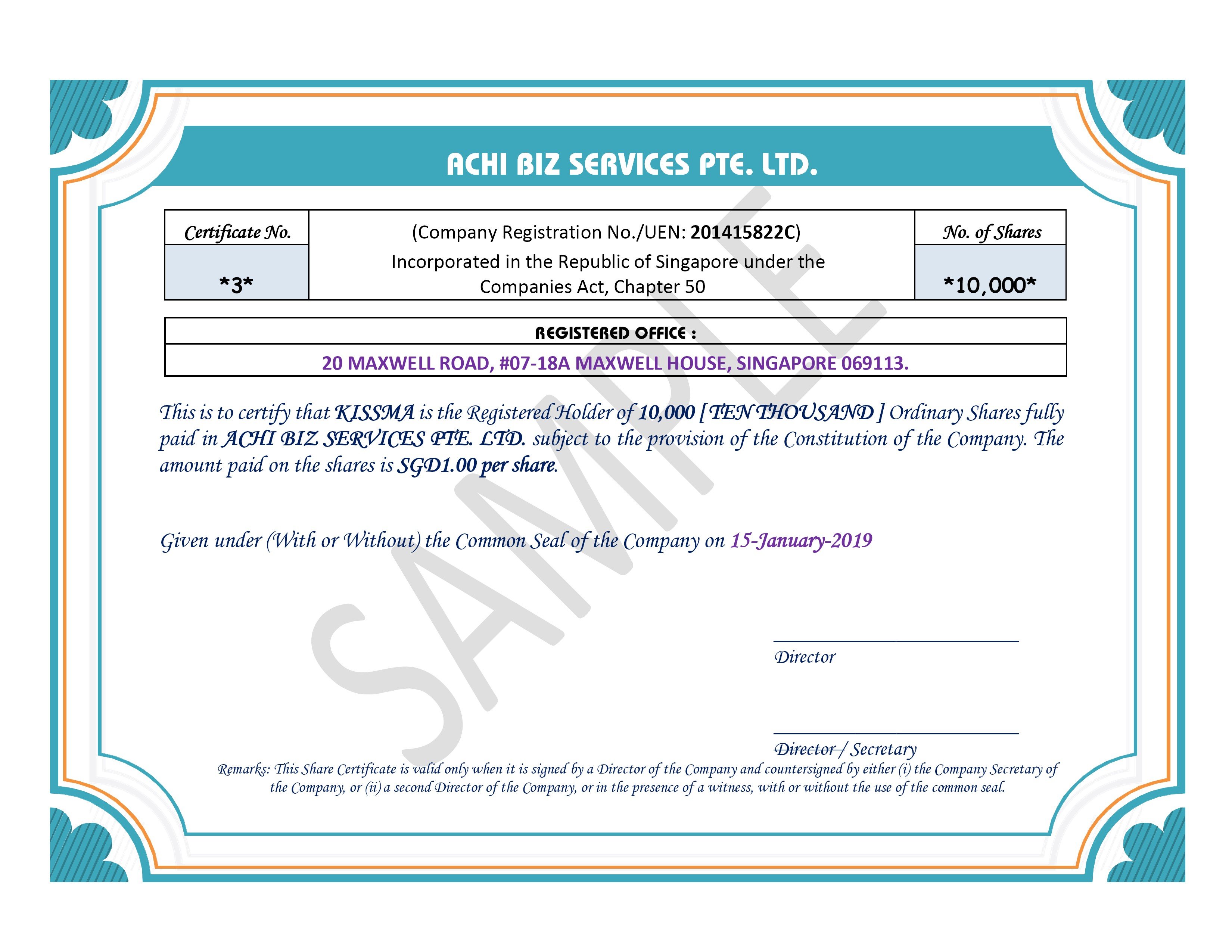
Sometimes a shareholder with a stock certificate can give a proxy to another person to vote the shares in question. Similarly, a shareholder without a share certificate may give a proxy to another person to allow them to vote the shares in question. Voting rights are defined by the Constitution of the Company and Company Act.
Replacement Share Certificate
A share certificate that is damaged, lost or stolen can be reissued with a replacement certificate in respect of the same number of shares. The shareholder in such a case must return the damaged document to the company before a replacement can be issued. At this time, the shareholder may also exercise the right to be issued a single certificate or separate certificates.
Central Depository Account
Today, in modern financial markets, individual investors rarely take physical possession of their share certificates. In fact, some countries, such as Sweden, have completely abolished the issue of share certificates as proof of share ownership in a company and have streamlined the process of registering owners via electronic registration. In the United States, the Central Securities Depository (CSD) is responsible for electronically holding shares, either in certificated or uncertificated (dematerialized) form, so that ownership can be easily transferred through a book entry rather than the transfer of physical certificates.
CDP Account in Singapore
A CDP Account is a Central Depository Account (Henceforth referred to as CDP)
If you want to buy and own your first shares, you will need to set up a CDP. A CDP account acts like your personal safe for your stocks. Whenever you buy a share in a listed company through the open market, it gets deposited into your CDP account.
Set Up A CDP Account In Singapore
There are 2 easy ways for you to set up your own CDP account.
 24/7/365